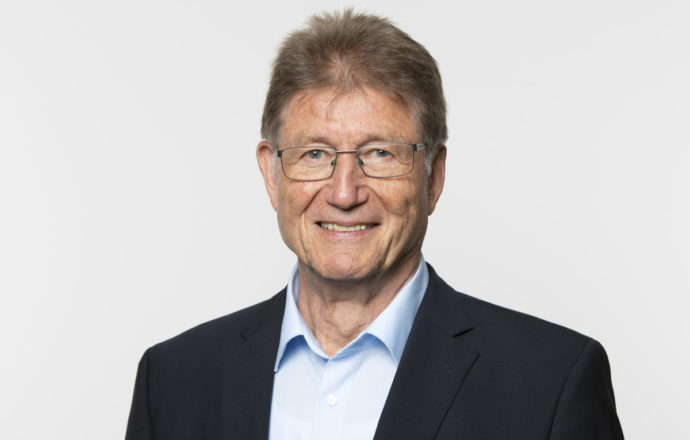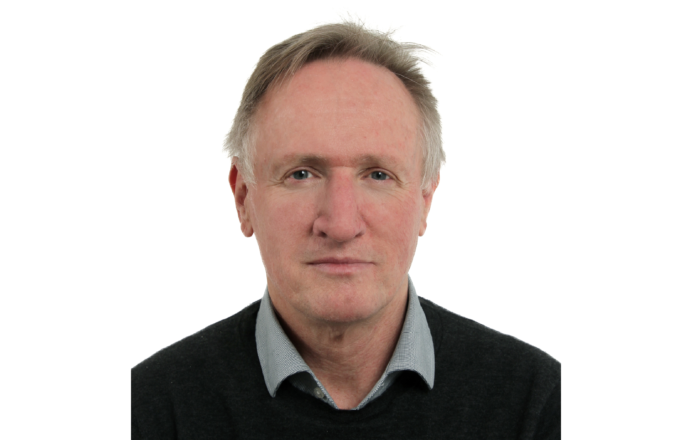
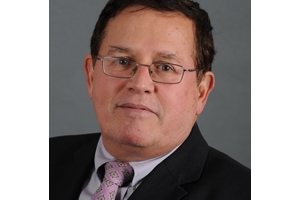
Various media reports have cast doubt over the independence of ENSI Board Chairman Peter Hufschmied. It has been alleged that he has close ties with the operators of nuclear power plants. The Federal Department of the Environment, Transport, Energy and Communications (DETEC) is investigating issues regarding the independence of ENSI Board members until the end of the year as part of the re-election process which, in any case, is already in progress. Hufschmied is stepping aside until the question of his independence has been clarified. He emphasises that this is happening at his own request, and that the move is not due to external pressure. “I’m convinced that my work as an ENSI Board member has always met all the requirements for independence”, Hufschmied comments. By taking this decision, he aims to help make the discussion more objective, so that the focus of public debate shifts back to technical issues about the safety of nuclear plants in Switzerland. In the meantime, Anne Eckhardt Scheck, Vice-Chair of the ENSI Board, will take over Peter Hufschmied’s remit.
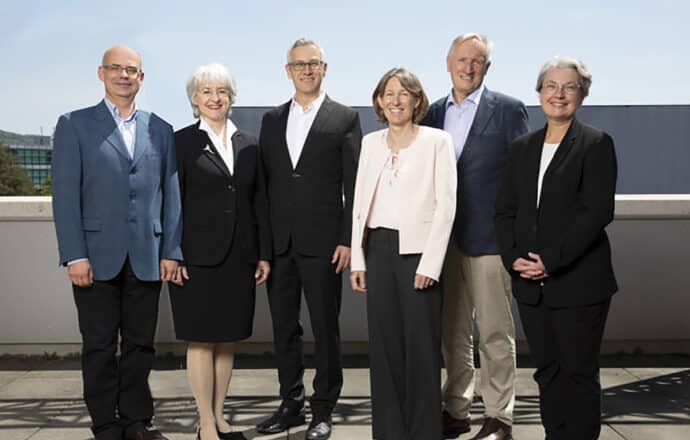
The ENSI Board comprises five to seven members who are elected by the Federal Council for a term of office lasting four years. The Chair is also designated by the Federal Council. The ENSI Board is ENSI’s internal supervisory body and is comparable to a board of directors in the private sector. Its remit is clearly defined in Article 6 of the ENSI Act, which states (for example) that the ENSI Board defines ENSI’s strategic objectives, issues the Organisational Regulations and elects the Executive Board. The ENSI Board exerts no influence over the Inspectorate’s operational business. Technical decisions are taken solely by ENSI’s Executive Board, which issues rulings and implements requirements in respect of nuclear power plant operators, independently of the ENSI Board.